
Amazon's December 18 FBM return label rule: a seven-day returns playbook
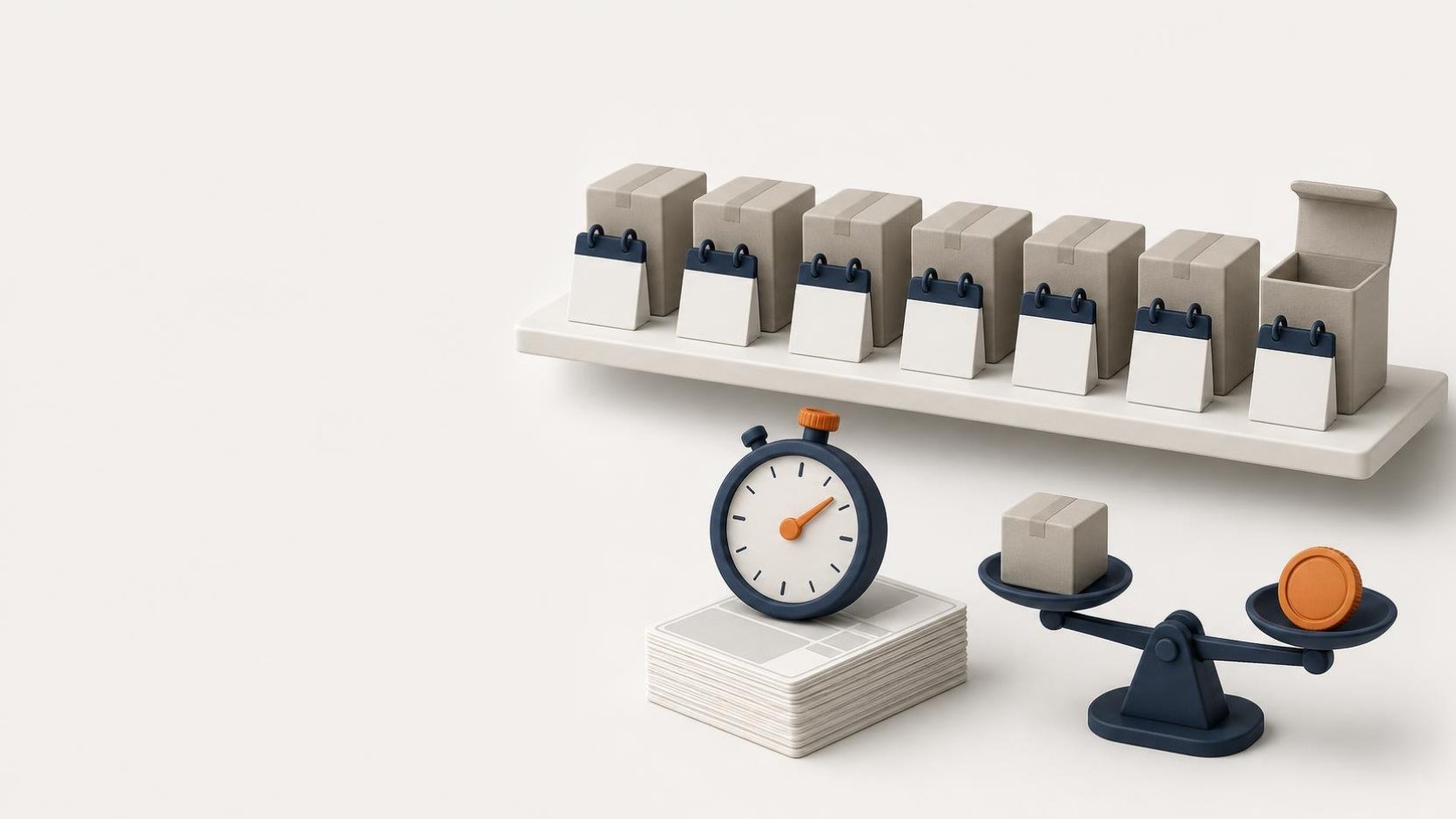
From December 18, 2026, a return address is no longer enough for US returns on seller-fulfilled orders. Within seven calendar days of each return request, you will need to upload a prepaid label or refund in full without asking for the item back.
If you miss that window, Amazon may refund the buyer itself and take the money from your account. The product stays with the customer.
What actually changes on December 18
Prepaid returns are not new for FBM. US sellers are already auto-enrolled in prepaid returns, with labels generated through Buy Shipping. Seller Essentials calls the announcement “not the introduction of prepaid returns across FBM”.
The new part is the end of address-only labels, where the buyer gets your address and pays the postage. PPC Land reported an Amazon Services email on October 19 that sets out the rule:
“Starting December 18, 2026, all US returns for seller-fulfilled orders (excluding heavy and bulky items) will require a prepaid return shipping label.”
Address-only labels will still be accepted for heavy and bulky items, but only temporarily. We could not find an Amazon definition of heavy and bulky, or a date when that exception ends.
You may wonder how this fits with the earlier February change. According to PPC Land, Amazon told sellers on January 8, 2026 that all seller-fulfilled returns would move into the Amazon Prepaid Return Label program from February 8, 2026. PPC Land's reading is that February covered Amazon-generated Buy Shipping labels. December 18 closes the remaining gap: seller-supplied addresses with customer-paid postage. That explanation comes from reporting, not from Amazon, so treat it as likely rather than confirmed.
The seven-day clock and what happens when it runs out
The clock starts when the return is requested. It does not wait for the item to ship back or arrive. Within seven calendar days you have two ways to comply:
- Upload a prepaid label in the Manage Seller-Fulfilled Returns workflow.
- Issue a full refund without requiring the customer to return the item.
If you do neither, the email as reported says “a returnless refund may be automatically issued and the balance deducted from your selling account.” On a cheap item, that may cost little more than you would have given up anyway. On an expensive item, you lose both the sale and the stock.
Labels sent through Buyer-Seller Messaging, or any other channel outside the Manage Returns workflow, do not count. A label emailed to the buyer on day two still leaves you non-compliant on day eight.
One caveat about the source. As of October 19, the public Seller Central returns help page did not mention December 18, the seven-day window or the end of address-only labels. Everything here rests on the email as reported, and nobody outside Amazon has published its send date. Check the help page before you set internal deadlines.
Step 1: Give the returns queue one owner and one backup
Seven calendar days include weekends and holidays. Under the standard 30-day return window, which runs from the estimated delivery date and varies by category, holiday orders will keep producing return requests well after December 18.
- Name one person who owns the Manage Seller-Fulfilled Returns queue. Name a backup who covers their days off.
- Check the queue every day, weekends included. Aim to act within two or three days, so one missed day does not become a missed deadline.
- Agree a value up to which the owner can refund without asking you, so requests do not sit waiting for approval.
- Keep a simple log of request date, action taken and action date. If you ever need to dispute a deduction, you will want those dates.
Step 2: Audit your return settings for the old behavior
Before you change anything, find out where your setup still depends on address-only returns. In your Seller Central return settings, look for:
- SKUs or rules that still give buyers an address-only label.
- SKU exemptions from prepaid labels. The help page, as reported, says exempt SKUs “can” use a seller-paid label. The email mentions no SKU exemptions, only heavy and bulky. Until Amazon says otherwise, assume an exemption will not protect you after December 18.
- A habit of sending labels through Buyer-Seller Messaging. That work has to move into the returns workflow.
- Returnless refund rules you already have enabled, and whether their thresholds still make sense.
Screenshot your current settings and the Amazon email before you edit anything. If the help page and the email still disagree in December, a dated record of what you were told makes any Seller Support case easier.
Step 3: Decide per SKU between a label and a returnless refund
Amazon's seller blog says it issues returnless refunds if you have a returnless refund rule enabled in your return settings. That rule is your tool for SKUs where getting the item back is not worth the trip.
PPC Land points out that on low-priced items, return postage can approach the item's value. In that case, paying for a label to recover something you may not resell is just a slower, more expensive refund.
Here is a workable way to sort your catalog:
- Estimate what a returned unit is worth to you: realistic resale value, minus the time spent on inspection, repackaging and restocking.
- Estimate the return label cost from your carrier or Buy Shipping quotes. Amazon has not said what labels cost under the new rule, or who pays when Amazon generates them.
- If the recoverable value is below label cost plus handling, put that SKU under a returnless refund rule.
- If it is above, keep the label route and flag the SKU so the queue owner handles it first.
Spend most of your attention on the expensive SKUs. A missed seven-day window costs the most there, so those returns belong at the top of the daily check.
Step 4: Settle where your labels come from
If Buy Shipping prepaid labels already cover your SKUs, keep using them. That is the simplest route, because the label is generated inside the workflow where Amazon checks for it.
If you use your own carrier account, the label has to be uploaded in Manage Seller-Fulfilled Returns. Generating it in your carrier portal and pasting a link into a message no longer counts. Run one live return through the upload before December 18, so your first attempt does not happen at peak volume.
If you ship to US buyers from Turkey or elsewhere abroad
This is where the rules are least settled. The Seller Central help page, as reported by PPC Land, covers international returns, meaning returns to a non-US address. It says they need a merchant prepaid label through Manage Seller-Fulfilled Returns “within 2 days of the return request.” The listed alternatives are a returnless refund or a valid US domestic return address in Return settings.
The December 18 email says seven calendar days and describes a consistent process for US and international returns. Those two statements conflict, and Amazon has not reconciled them. It has also not said whether the US-address option continues after December 18.
Amazon's seller blog adds that it issues returnless refunds when the order value is less than $25 for a non-US return.
Until there is a clear answer, this is the safer plan:
- Treat two days as your deadline. Working to the shorter window costs you little if seven days turns out to be correct.
- Get quotes for a US return address through a 3PL or a returns processor. The help page already lists a US domestic address as an option, and it turns an international return into a domestic one.
- For orders under $25, expect returnless refunds and build them into your margin.
- Open a Seller Support case asking which deadline applies to your account after December 18, and whether a US address in Return settings remains valid. Ask for the answer in writing and keep it.
What Amazon has not said yet
Several details that matter for planning are still missing:
- An official Amazon page or announcement confirming the December 18 rule. Current reporting relies on the email.
- The definition of heavy and bulky, and when that temporary exception ends.
- Who pays for the label when Amazon generates it through Buy Shipping, and what it costs.
- Whether the rule depends on the return reason.
- Whether an automatic returnless refund can be appealed or claimed through SAFE-T. PPC Land says this is unknown.
- What a missed window does to account health, Order Defect Rate or A-to-z claims. We found no official source on this.
Until those answers arrive, plan as if every missed window is a full loss with no way to recover it. If Amazon later adds an appeal path, you lose nothing by having planned for the worse case.
Your next step before November
Name your queue owner and backup, and screenshot your current return settings. Then list your highest-value FBM SKUs and decide for each one whether it gets a label or a returnless refund rule. Make those changes in Seller Central well before December 18, while return volume is still low.


